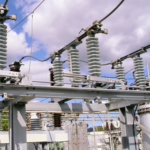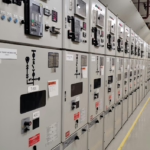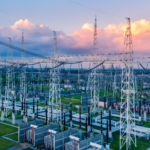


Australia’s rapid growth in renewable energy, infrastructure, mining, and industrial development continues to drive demand for increasingly complex electrical engineering projects. From high-voltage substations and transmission infrastructure to renewable energy facilities and industrial power systems, successful project delivery requires more than technical expertise alone.
Managing complex electrical engineering projects demands careful planning, strong stakeholder coordination, rigorous risk management, and the ability to adapt to changing project conditions, all while maintaining compliance with Australian standards and safety requirements.
Here are the key strategies for successfully managing complex electrical engineering projects in Australia.
1. Understand Australia’s Regulatory Environment
Compliance is one of the most critical aspects of any electrical engineering project in Australia. Projects must align with national and state-based regulations, industry standards, safety requirements, and environmental obligations.
Standards such as AS/NZS 3000 (Wiring Rules), AS 2067 for substations, and workplace health and safety regulations form the foundation of compliant project delivery. Renewable energy and utility-scale projects may also involve oversight from organisations such as the Clean Energy Council, AEMO, Western Power, or other network service providers.
Early engagement with regulatory authorities, clients, and approval bodies helps minimise delays and reduces the risk of costly redesigns or compliance issues later in the project lifecycle.
Key Considerations
- Engage regulatory stakeholders early during project planning
- Ensure design documentation aligns with Australian standards
- Maintain clear compliance tracking throughout project delivery
- Establish robust safety and quality assurance processes
2. Prioritise Risk Management
Complex electrical projects often operate in challenging environments, including remote regions, mining operations, bushfire-prone areas, or cyclone-exposed locations. Identifying and mitigating risks early is essential to maintaining project safety, schedule, and budget performance.
Effective risk management extends beyond safety hazards and should include:
- Environmental risks
- Supply chain disruptions
- Resource constraints
- Design coordination challenges
- Commissioning and operational risks
Modern engineering projects increasingly utilise predictive technologies, remote monitoring systems, and condition-based maintenance strategies to improve operational reliability and minimise downtime.
Effective Risk Management Strategies
- Conduct detailed risk assessments during concept and design phases
- Design systems for resilience and maintainability
- Implement proactive monitoring and reporting processes
- Develop contingency plans for critical project activities
3. Invest in Detailed Planning and Scheduling
Electrical engineering projects involve multiple interdependent disciplines, including civil, structural, electrical, protection, SCADA, communications, and commissioning teams. Without structured planning, even minor delays can impact overall project delivery.
Detailed scheduling allows project teams to:
- Identify critical path activities
- Coordinate resources effectively
- Track procurement and manufacturing timelines
- Manage commissioning and outage windows
Industry-standard tools such as Primavera P6 and Microsoft Project are commonly used to improve visibility, forecasting, and resource management across large-scale infrastructure projects.
Best-Practice Planning Approaches
- Break projects into clearly defined phases and milestones
- Establish realistic procurement and delivery schedules
- Conduct regular progress and coordination meetings
- Monitor project performance using measurable KPIs
4. Optimise Resource Allocation
Resource management can significantly impact project outcomes, particularly in remote or regional Australian locations where skilled labour and specialised equipment may be limited.
Successful project delivery depends on aligning the right personnel, contractors, and suppliers with the appropriate project stages while accounting for potential shortages and long lead times.
Resource Management Strategies
- Partner with reliable local suppliers and subcontractors
- Plan workforce requirements well in advance
- Account for lead times on imported equipment and materials
- Utilise flexible workforce models, including FIFO arrangements where required
Strong supplier relationships and early procurement planning are especially important given ongoing global supply chain volatility affecting electrical infrastructure projects.
5. Maintain Strong Communication and Stakeholder Engagement
Clear communication is essential for managing complex engineering projects involving multiple stakeholders, contractors, consultants, utilities, and client teams.
Transparent communication improves decision-making, reduces misunderstandings, and helps maintain alignment across all project phases.
Effective Communication Practices
- Conduct regular project progress meetings
- Maintain clear reporting structures and documentation
- Keep stakeholders informed of project risks and changes
- Use digital collaboration platforms for document control and communication
Strong stakeholder engagement also helps build trust and supports smoother project execution when changes or unforeseen challenges arise.
6. Leverage Technology and Digital Engineering Tools
Technology plays a critical role in improving efficiency, safety, and project accuracy across modern electrical engineering projects.
Digital engineering tools enable improved coordination, reduced rework, and greater visibility throughout the project lifecycle.
Key Technologies Supporting Complex Projects
Building Information Modelling (BIM)
BIM improves multidisciplinary coordination by enabling 3D visualisation and clash detection before construction begins.
SCADA and Remote Monitoring Systems
SCADA and IoT-enabled systems support real-time monitoring, remote diagnostics, and operational optimisation across electrical networks and industrial facilities.
Predictive Maintenance Technologies
Data-driven maintenance strategies help identify potential equipment failures before they occur, reducing downtime and improving asset reliability.
These technologies are becoming increasingly important as Australia’s energy infrastructure evolves toward smarter, more connected systems.
7. Address Environmental and Indigenous Considerations
Infrastructure projects in Australia often intersect with environmentally sensitive areas and Indigenous heritage sites. Early consideration of these factors is essential for maintaining project approvals, timelines, and community relationships.
Projects may require environmental impact assessments, cultural heritage surveys, and ongoing consultation with Traditional Owners and local communities.
Key Considerations
- Conduct environmental and heritage assessments early
- Engage respectfully with Indigenous stakeholders
- Incorporate sustainable and environmentally responsible design practices
- Minimise environmental impact through efficient construction planning
Sustainability is also becoming a growing priority across the electrical engineering sector, particularly within renewable energy and transmission infrastructure developments.
8. Focus on Quality Assurance and Continuous Improvement
Quality management should be embedded throughout every project phase, from concept design and procurement through to commissioning and handover.
Consistent quality assurance processes reduce rework, improve reliability, and strengthen long-term asset performance.
Quality Management Best Practices
- Conduct regular audits and inspections
- Maintain robust document control systems
- Implement lessons-learned reviews throughout the project lifecycle
- Align quality systems with recognised standards such as ISO 9001
Continuous improvement processes also help organisations refine delivery methodologies and improve future project performance.
9. Stay Adaptable Throughout Project Delivery
Even the most carefully planned projects encounter changing conditions, evolving scopes, or unexpected challenges. Successful project teams remain flexible, solution-focused, and responsive under pressure.
Adaptability is particularly important in large-scale electrical infrastructure projects where delays, procurement changes, or network constraints can significantly impact delivery schedules.
Strategies for Managing Change
- Monitor project performance closely using KPIs and reporting tools
- Empower teams to make timely decisions
- Maintain contingency budgets and schedule allowances
- Respond proactively to emerging risks and stakeholder requirements
Agile project management and strong leadership help ensure projects remain on track despite evolving conditions.
Delivering Successful Electrical Engineering Projects
Successfully managing complex electrical engineering projects requires a balanced approach that combines technical expertise, strategic planning, stakeholder collaboration, and strong project governance.
By prioritising compliance, communication, risk management, quality assurance, and technological innovation, engineering teams can deliver safe, efficient, and resilient infrastructure that supports Australia’s growing energy and industrial sectors.
As the industry continues to evolve, organisations that embrace adaptability and continuous improvement will be best positioned to deliver successful outcomes in increasingly complex project environments.