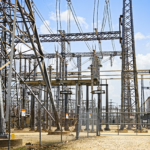


In today’s increasingly interconnected world, cyber threats pose a significant risk to critical infrastructure, particularly power grids. In Australia, where a reliable power supply is essential for industries, businesses, and communities, any disruption could lead to severe economic and social consequences. The complexity of the Australian power grid, coupled with the rise in targeted cyber-attacks, makes it essential for engineering consultancies like Partum Engineering to implement robust cyber protections.
Understanding the Cyber Threat Landscape
The power grid has long been a target for cyber attackers due to its critical role in maintaining national stability and security. Threats, ranging from criminal organisations to state-sponsored groups, often target these systems for various motives, including political leverage, financial gain, and disruption of critical services.
Recent cyber-attacks on infrastructure across the globe highlight the vulnerabilities present in power systems, including:
- Malware Attacks: Attackers implant malicious code to interfere with grid operations, leading to outages and potentially damaging physical equipment.
- Ransomware: Hackers encrypt critical systems and demand payment to restore operations, which can cripple service continuity.
- Phishing and Social Engineering: Attackers exploit human error to gain unauthorised access to systems, often through harmless emails or messages.
For engineers, understanding these tactics is the first step in crafting effective countermeasures. In response, Australian electrical engineers and consultancies like Partum Engineering must prioritise cybersecurity at every level of grid design and maintenance.
Implementing Layered Defence Strategies
A multi-layered, defence-in-depth strategy is a cornerstone of grid cybersecurity. Instead of relying on a single line of defence, Partum Engineering recommends deploying multiple overlapping measures to safeguard grid systems.
Key practices include:
- Segmentation of Networks: By segmenting the network into smaller sections, engineers can limit the potential damage of a successful attack. Isolating critical systems from less sensitive areas means that a breach in one segment will not necessarily compromise the entire grid.
- Role-Based Access Control (RBAC): Implementing strict access controls ensures that only authorised personnel have access to sensitive systems. Role-based access control is an effective method for limiting user privileges based on the minimum permissions necessary for their tasks, helping reduce potential entry points for malicious actors.
- Regular Software Patching and Updates: Keeping software up to date is critical for preventing known vulnerabilities from being exploited. Engineers must collaborate closely with vendors to ensure timely updates and secure configuration of software and hardware within the grid infrastructure.
- Intrusion Detection and Prevention Systems (IDPS): IDPS tools are crucial for monitoring network activity and identifying suspicious behaviour. By detecting anomalies, engineers can quickly respond to potential attacks before they escalate.
- Physical Security of Infrastructure: Cybersecurity begins with securing the physical aspects of the power grid. Unprotected access points can provide an attacker with direct access to critical systems. Implementing robust access controls and surveillance for physical assets is equally essential in a comprehensive defence strategy.
Emphasising Secure System Architecture
Designing power systems with cybersecurity in mind from the outset is key to a resilient grid. Partum Engineering advocates for the integration of secure architecture into every phase of the design process, from initial planning through to implementation and maintenance.
This approach involves:
- Zero-Trust Architecture: Traditional security models often assume that users within the network are trustworthy. However, adopting a zero-trust approach requires continuous verification of all users and devices, reducing the risk of insider threats and unauthorised access.
- Encryption of Data: Protecting data both in transit and at rest is crucial. Engineers should implement robust encryption protocols to safeguard information as it flows through the network and is stored in various systems.
- Secure-by-Design Principles: Incorporating cybersecurity into the design phase, rather than as an afterthought, helps engineers anticipate and mitigate vulnerabilities. By using secure-by-design principles, Partum Engineering ensures that each layer of the system has built-in protections.
Incorporating Industry Standards and Compliance
Adhering to industry standards is vital for ensuring grid security and meeting regulatory requirements. In Australia, several standards guide cybersecurity practices for critical infrastructure, including those from the Australian Cyber Security Centre (ACSC) and the International Electrotechnical Commission (IEC).
Engineers at Partum work in alignment with standards such as:
- IEC 62443: This standard provides guidelines for securing industrial automation and control systems, essential for critical infrastructure like power grids.
- ISO 27001: Although focused on information security management, ISO 27001 principles are applicable to safeguarding data within power systems.
- NIST Cybersecurity Framework: Engineers can use this globally recognised framework to identify, protect, detect, respond, and recover from cyber threats.
By implementing these standards, Australian electrical engineers ensure that their security measures align with best practices and offer the necessary protections to support a resilient grid.
Building a Culture of Cybersecurity Awareness
Cybersecurity is not solely the responsibility of IT departments; it requires a coordinated effort from every team member. At Partum Engineering, fostering a culture of cybersecurity awareness is critical to maintaining a secure power grid.
Best practices for enhancing awareness include:
- Employee Training: Conducting regular training sessions to educate employees on recognising phishing attempts, practicing secure password management, and following protocols for handling sensitive data.
- Cybersecurity Drills: Simulating cyber-attacks to test the organisation’s response plans and identifying any gaps in the current security posture.
- Clear Communication Channels: Establishing open lines of communication between engineering teams and cybersecurity experts to address concerns and share threat intelligence.
By prioritising cybersecurity education, engineers and technical staff can play an active role in preventing security incidents and responding swiftly if one occurs.
Enhancing Real-Time Monitoring and Response
A proactive monitoring system is essential to detect and respond to cyber threats in real time. Partum Engineering integrates advanced monitoring tools and analytics to track activity across power grid networks.
Key practices in monitoring and response include:
- Anomaly Detection: Leveraging artificial intelligence and machine learning to identify unusual patterns in network traffic, which can indicate the presence of malicious activity.
- Automated Incident Response: Automating the initial stages of incident response, such as isolating affected systems, helps contain threats before they spread.
- Centralised Logging and Analysis: Storing and analysing logs from various systems enables engineers to track events and identify root causes of incidents, improving future prevention efforts.
Future-Proofing Against Emerging Threats
As technology evolves, so do cyber threats. New technologies such as 5G, IoT, and cloud computing bring benefits but also introduce unique vulnerabilities. For electrical engineers, staying informed on emerging threats is essential for maintaining grid security.
Partum Engineering recommends:
- Continuous Learning and Professional Development: Engineers should engage in regular training and certification programs focused on cybersecurity to stay updated on the latest tools and techniques.
- Collaboration with Cybersecurity Experts: Partnering with cybersecurity specialists ensures that engineering teams remain informed about evolving threat landscapes and can implement cutting-edge security measures.
- Implementing Red Team Exercises: Regular testing of defences through simulated attacks helps engineers identify weak spots and reinforce their security posture proactively.
Engineering a Secure Power Grid for Australia’s Future
In the modern era, cyber threats are an unavoidable reality for critical infrastructure like power grids. However, with a proactive, multi-layered defence strategy, electrical engineers in Australia can safeguard the power supply against a growing array of threats. By incorporating secure architecture, adhering to industry standards, and fostering a cybersecurity-conscious culture, Partum Engineering and its peers play an essential role in protecting Australia’s energy infrastructure.
As the threat landscape continues to evolve, Partum Engineering remains committed to implementing the latest cybersecurity best practices and strategies to ensure a reliable, resilient power grid for Australia’s future. Through ongoing collaboration, education, and innovation, we aim to strengthen our defences and uphold the trust of the communities we serve.