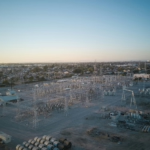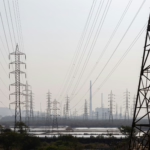
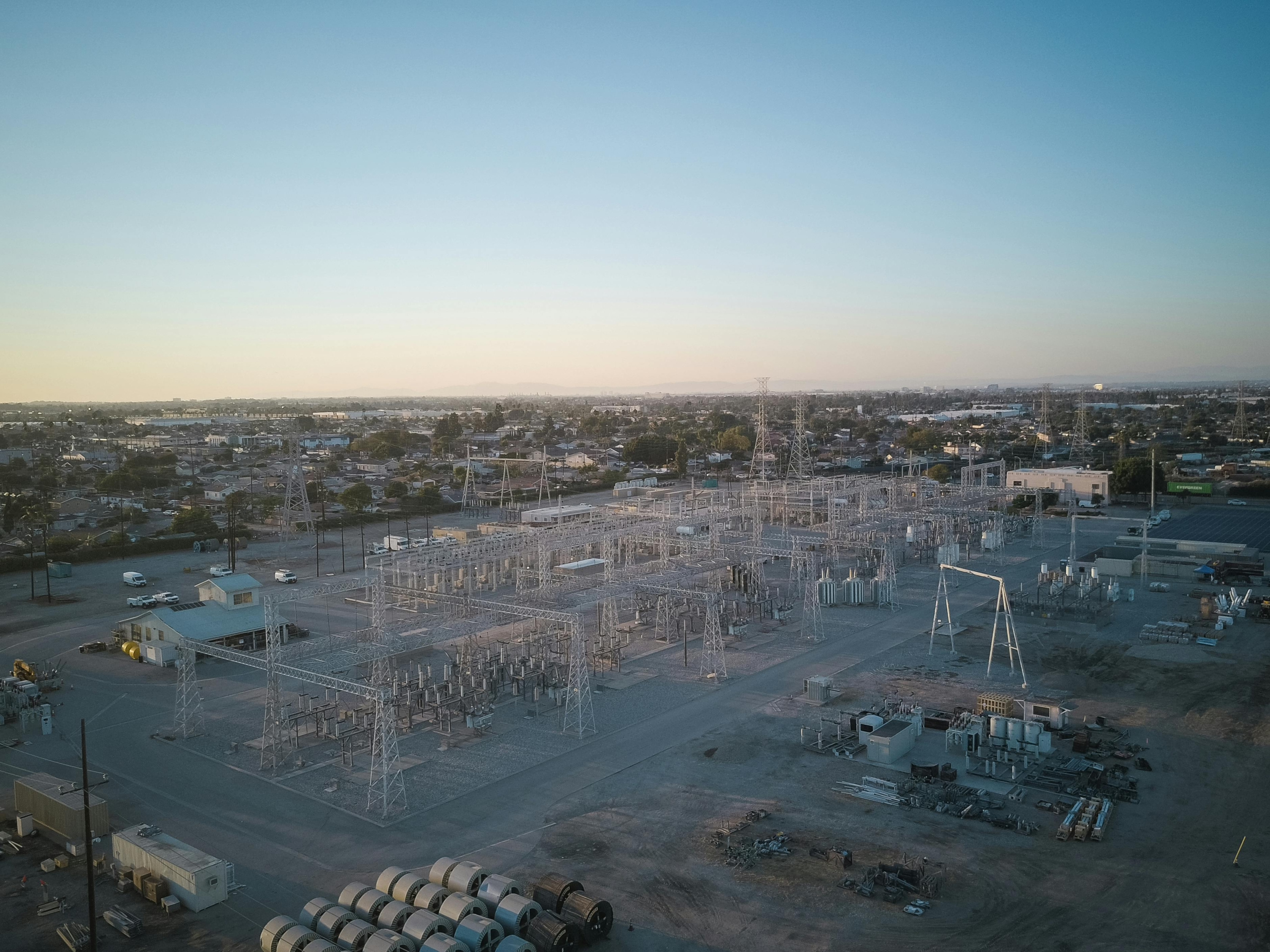
Substations play a critical role in the power grid, ensuring the safe and efficient transmission and distribution of electricity. As the backbone of Australia’s electrical infrastructure, substations need to be maintained rigorously to prevent failures, avoid costly outages, and support the growing demand for reliable energy. Regular maintenance not only extends equipment life but also ensures compliance with strict Australian safety and performance standards. In this article, we outline essential tips for maintaining substation equipment, helping electrical engineers, technicians, and asset managers keep these systems running smoothly and safely.
1. Implement a Routine Inspection Schedule
Routine inspections are the foundation of substation maintenance. Regular visual and diagnostic checks enable early identification of issues before they escalate into costly failures. A typical inspection schedule might include monthly, quarterly, and annual assessments of key equipment, such as transformers, circuit breakers, and protection relays.
In Australia, inspection schedules must align with local and national regulations and standards, including AS 2067 for substation safety and AS 3000 wiring rules. Keeping comprehensive records of each inspection is essential for tracking the performance and health of substation assets, as well as meeting compliance requirements. Advanced asset management software can assist in organising inspection data, scheduling maintenance activities, and providing detailed reports for audits.
2. Prioritise Transformer Health Monitoring
Transformers are often the most critical, and costly, component of a substation. Maintaining them requires a proactive approach to monitoring, with key parameters like oil temperature, moisture content, dissolved gas analysis (DGA), and winding resistance under regular observation. DGA is one of the most reliable techniques for assessing transformer health, as it detects gases produced by degradation of insulation and other internal components, helping identify potential issues early.
In Australia’s often harsh climate, heat and humidity can accelerate transformer aging. Therefore, climate-appropriate cooling systems and protective enclosures are recommended. Engineering firms can also implement thermal imaging cameras to detect overheating and localised hot spots, allowing for more precise and timely interventions that prevent failure and extend transformer life.
3. Ensure Regular Testing of Circuit Breakers
Circuit breakers are vital for interrupting abnormal currents and protecting substation equipment during faults. Regular testing ensures they’re able to perform as expected in an emergency. Key tests include insulation resistance, contact resistance, and timing tests, each designed to verify that the circuit breaker can operate within specified limits and respond quickly to faults.
In Australian substations, frequent circuit breaker testing is essential due to the high demands placed on these devices by fluctuating loads and occasional extreme weather events. Engineers should test not only the functionality but also the mechanical integrity of the circuit breaker’s moving parts, as mechanical failure can be a leading cause of breaker malfunction. By addressing potential issues early, technicians can prevent unplanned outages and ensure reliable substation performance.
4. Calibrate Protection Relays Regularly
Protection relays are critical components for detecting faults and isolating faulty sections of the network. Regular calibration ensures that these relays respond accurately to electrical faults, protecting both substation equipment and personnel. Modern digital relays offer self-monitoring and diagnostic capabilities, allowing engineers to perform remote assessments and reducing the need for frequent physical access.
In Australia, where utility grids are increasingly interconnected and complex, relay misoperation can have far-reaching consequences. Regular testing, calibration, and occasional firmware updates are recommended, especially in substations with dynamic loads or renewable energy inputs. By ensuring accurate relay settings, engineers can safeguard equipment and avoid costly mis-trips or service interruptions.
5. Implement a Condition-Based Maintenance Approach
A condition-based maintenance (CBM) approach leverages real-time data from sensors and diagnostic tools to assess equipment health and perform maintenance as needed rather than on a fixed schedule. This approach is particularly useful in large substations with high-value assets, as it minimises unnecessary interventions and reduces downtime.
Condition monitoring systems can track a range of variables, including temperature, humidity, vibration, and acoustic signatures. In Australian substations, where equipment may be exposed to varying environmental conditions, a CBM approach helps ensure that maintenance activities align with actual equipment conditions. By focusing resources on equipment that shows signs of wear, asset managers can achieve better reliability with reduced operational costs.
6. Conduct Thorough Testing After Maintenance Activities
After any maintenance activity, it’s critical to verify that equipment is functioning correctly before returning it to service. Post-maintenance testing ensures that all components meet performance standards and can operate safely within the system. Comprehensive tests should include insulation resistance, contact resistance, and functional tests on relays and control systems to confirm proper operation.
In the Australian power sector, post-maintenance testing is particularly important in substations that serve essential infrastructure or sensitive loads. For example, substations that support hospitals, data centres, or critical industrial operations require stringent testing protocols to avoid even the slightest risk of failure. By implementing thorough post-maintenance checks, technicians can provide confidence that equipment will operate as expected when it’s needed most.
7. Apply Effective Lubrication and Corrosion Protection
Substation equipment, particularly in outdoor installations, is vulnerable to corrosion and wear. In Australia, where coastal substations are common, salt, humidity, and temperature fluctuations can significantly accelerate corrosion rates. Proper lubrication of moving parts, such as circuit breakers and switches, is essential to maintain mechanical performance and prevent seizing.
In addition to routine lubrication, protective coatings on metal parts can help mitigate corrosion. Substation maintenance teams should inspect for signs of rust or corrosion during routine inspections and promptly address any degradation. Using high-quality, weather-resistant materials and coatings designed for the Australian climate helps prolong equipment life and reduce the risk of unexpected failures.
8. Upgrade Legacy Equipment and Control Systems
While maintenance can extend the life of substation equipment, older components may eventually need to be replaced or upgraded. Upgrading legacy equipment, such as protection relays, transformers, and switchgear, to modern alternatives improves performance, enhances safety, and can even reduce maintenance costs. Digital systems, for instance, offer improved diagnostics, easier integration with SCADA (Supervisory Control and Data Acquisition) systems, and better resilience against faults.
In Australia, where power grids are rapidly evolving to accommodate renewable energy and decentralised generation, upgrading substation components is a key step in enhancing system flexibility and resilience. By modernising equipment and incorporating new technologies, engineering teams can ensure that substations meet current and future energy demands while improving operational efficiency.
9. Train Personnel and Encourage Knowledge Sharing
The quality of substation maintenance is only as strong as the knowledge and skills of the personnel performing it. Investing in regular training and professional development for maintenance teams is essential for keeping up with industry standards, best practices, and new technologies. Personnel should be trained in the latest maintenance techniques, diagnostic tools, and safety protocols.
In Australian engineering companies, fostering a culture of continuous learning and knowledge sharing helps teams stay current on new developments and regulations. Cross-training can also be valuable, as it allows technicians to gain familiarity with multiple types of equipment and perform a broader range of tasks. This knowledge-sharing approach can improve team efficiency and ensure a higher standard of maintenance across substation assets.
Enhancing Substation Reliability Through Proactive Maintenance
Substation reliability is critical to ensuring a stable and resilient power grid. For Australian electrical engineering companies, adopting a proactive and strategic approach to substation maintenance is essential. By implementing routine inspections, leveraging condition-based maintenance, upgrading outdated equipment, and investing in staff training, companies can deliver reliable, efficient, and safe electrical systems.
With the right maintenance practices in place, engineering teams can help extend the life of substation assets, reduce the likelihood of outages, and ultimately support Australia’s ambitious energy goals. As the industry continues to evolve, maintaining high standards in substation upkeep will remain a fundamental part of delivering sustainable and dependable power to communities and industries across the country.
Partum Engineering has proven experience delivering substation designs up to 500kV. Explore our capabilities here.
Reading Time: 4 minutes