
As the world grapples with the pressing challenge of climate change, Australia stands at a pivotal moment in its energy transition journey. With its vast natural resources, innovative engineering sector, and a growing commitment to reducing greenhouse gas emissions, Australia is uniquely positioned to lead the charge toward a decarbonised grid. This blog explores the role of electrical engineering in transforming the nation’s energy landscape and the innovative solutions driving this transformation.
The Urgency of Decarbonisation
The Intergovernmental Panel on Climate Change (IPCC) has consistently highlighted the need for rapid reductions in carbon emissions to limit global warming to 1.5°C. For Australia, this means transitioning away from its historical reliance on coal and other fossil fuels towards renewable energy sources. Decarbonising the grid is not only an environmental imperative but also an economic opportunity, offering potential for job creation, energy independence, and technological leadership.
Renewable Energy Integration
1. Solar Power:
Australia’s abundant sunshine makes solar energy a cornerstone of its decarbonisation strategy. Electrical engineers are at the forefront of designing and implementing solar photovoltaic (PV) systems, from residential rooftops to large-scale solar farms. Innovations in solar panel efficiency, energy storage solutions, and grid integration are key areas of focus.
2. Wind Energy:
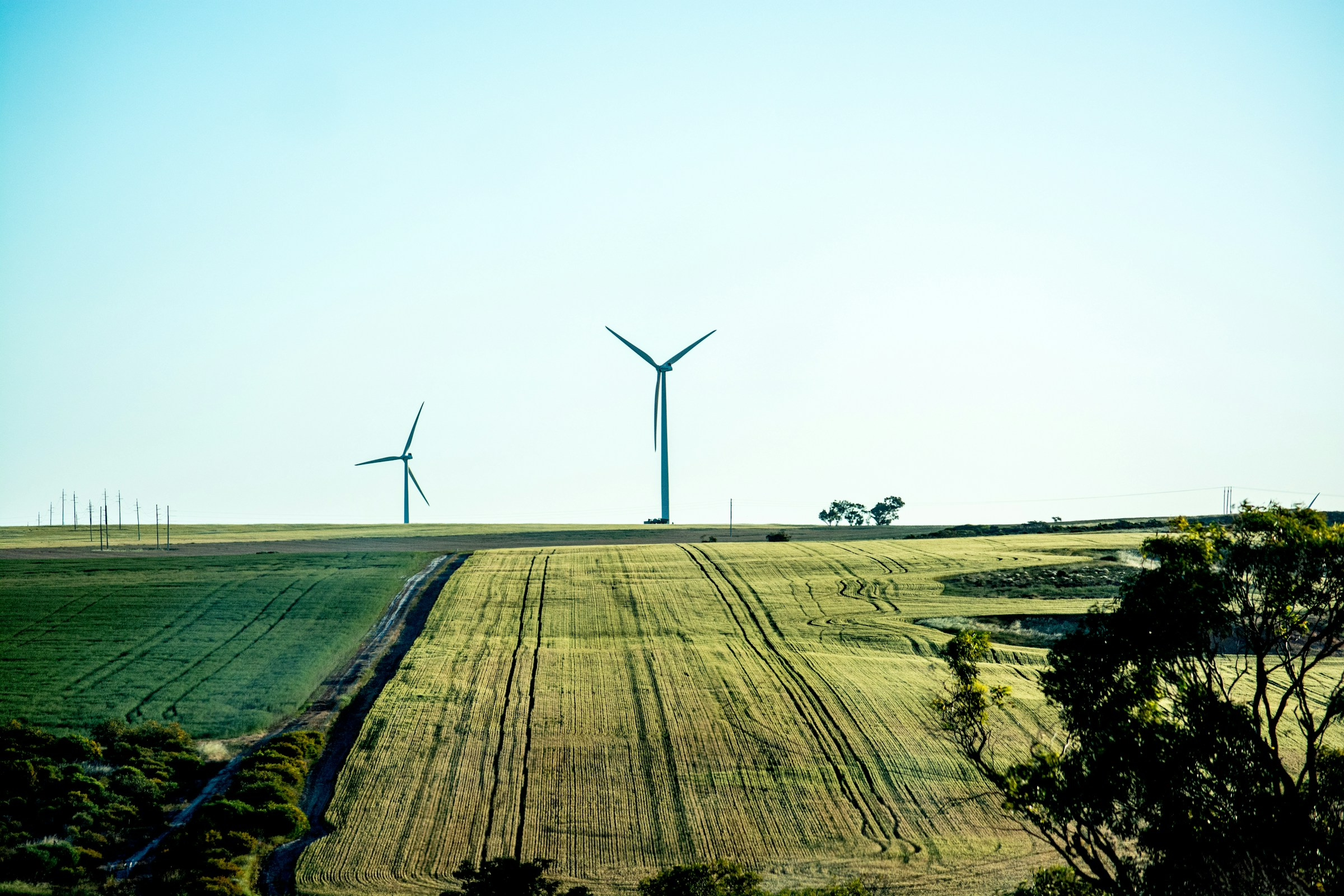
Wind power, particularly in coastal and rural areas, is another critical component. Electrical engineers play a crucial role in the design and optimisation of wind turbines, electrical substations, and transmission lines that connect wind farms to the grid. Advanced computational tools are used to model wind patterns and optimise turbine placement for maximum efficiency.
Energy Storage Solutions
Renewable energy sources like solar and wind are inherently variable, creating a need for effective energy storage solutions to ensure grid stability. Electrical engineers are developing and deploying various storage technologies, including:
1. Battery Storage:
Lithium-ion batteries are becoming increasingly popular for their efficiency and declining costs. Engineers are working on improving battery lifespan, energy density, and safety, while also exploring next-generation technologies like solid-state batteries and flow batteries.
2. Pumped Hydro Storage:
Pumped hydro remains one of the most established and large-scale energy storage solutions. Projects like the Snowy 2.0 scheme exemplify how electrical engineering expertise is crucial in designing and implementing these complex systems, which can store excess energy and release it during peak demand periods.
3. Hydrogen Storage:
Hydrogen offers a promising avenue for long-term energy storage and decarbonisation. Electrical engineers are involved in the development of electrolysis systems to produce hydrogen from water using renewable electricity, as well as fuel cells that convert hydrogen back into electricity.
Smart Grid Technologies
The transition to a decarbonised grid requires the modernisation of existing infrastructure into smart grids, which leverage advanced communication, automation, and data analytics to enhance efficiency and reliability. Key components include:
1. Advanced Metering Infrastructure (AMI):
Smart meters provide real-time data on electricity consumption, enabling better demand management and integration of distributed energy resources (DERs).
2. Distributed Energy Resource Management Systems (DERMS):
These systems allow for the coordinated control of various DERs, such as rooftop solar, batteries, and electric vehicles (EVs), ensuring optimal operation and grid stability.
3. Grid Automation and Control:
Electrical engineers are developing sophisticated control systems that can autonomously respond to fluctuations in energy supply and demand, reroute power, and prevent outages. These systems are essential for integrating renewable energy sources and maintaining grid resilience.
Electrification of Transport
Decarbonising the grid goes hand-in-hand with the electrification of the transport sector. As electric vehicles (EVs) become more prevalent, the demand for electricity will increase, necessitating further grid upgrades and innovations. Electrical engineers are pivotal in:
1. EV Charging Infrastructure:
Designing and deploying a network of charging stations that can accommodate the growing number of EVs. This includes fast-charging stations, wireless charging technologies, and vehicle-to-grid (V2G) systems that allow EVs to return energy to the grid.
2. Power Electronics:
Developing advanced power electronics for efficient energy conversion and management within EVs and charging infrastructure. This includes inverters, converters, and battery management systems.
Policy and Regulatory Support
The success of decarbonising Australia’s grid relies not only on technological advancements but also on supportive policies and regulatory frameworks. Electrical engineers often collaborate with policymakers to ensure that technical standards, grid codes, and market mechanisms align with the goals of a low-carbon future. Key areas of focus include:
1. Incentives for Renewable Energy Projects:
Feed-in tariffs, renewable energy certificates, and tax incentives can encourage investment in renewable energy infrastructure.
2. Grid Access and Fair Pricing:
Ensuring fair access to the grid for new renewable energy projects and equitable pricing structures for consumers.
3. Research and Development Support:
Government funding for R&D in cutting-edge technologies, such as advanced energy storage, smart grids, and clean hydrogen, can accelerate the pace of innovation.
Challenges and Opportunities
While the pathway to a decarbonised grid presents numerous challenges, such as intermittency of renewables, grid stability, and the need for substantial investment, it also offers significant opportunities. Australia can leverage its expertise in electrical engineering to become a global leader in clean energy technology, export renewable energy, and develop a resilient, sustainable energy system.
Decarbonising the grid is a complex but achievable goal, with electrical engineering solutions at its core. From renewable energy integration and energy storage to smart grids and EV infrastructure, the contributions of electrical engineers are pivotal in shaping a greener, more sustainable Australia. By harnessing innovation, collaboration, and policy support, Australia can lead the way in the global energy transition, setting a benchmark for others to follow.