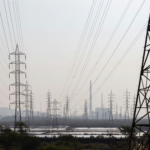


Western Australia’s energy sector is undergoing rapid transformation, driven by the push toward renewable energy, grid modernisation, and infrastructure expansion. This dynamic environment creates diverse career opportunities for electrical engineering design professionals. In this article, we explore the career paths within electrical engineering design in WA’s energy sector, highlighting key roles, skills, and growth prospects.
1. Understanding Electrical Engineering Design
Electrical engineering design involves creating, developing, and refining electrical systems and infrastructure. This includes designing power generation facilities, substations, transmission and distribution networks, and control systems. In WA, engineers play a critical role in ensuring reliable and sustainable energy delivery.
2. Key Career Paths in Electrical Engineering Design
The energy sector in WA offers a range of specialised career paths within electrical engineering design. Here are some prominent roles:
Power Systems Engineer
- Role Overview: Power systems engineers design and maintain high-voltage transmission and distribution networks, ensuring efficient electricity delivery across the state.
- Key Skills: Load flow analysis, fault studies, network planning, and power quality assessment.
- Career Outlook: With ongoing grid expansions and renewable energy integration, demand for power systems engineers remains strong.
Electrical Design Engineer
- Role Overview: These engineers create detailed designs for electrical components, including wiring diagrams, circuit layouts, and system schematics.
- Key Skills: Proficiency in CAD software, electrical codes (AS/NZS 3000), and design optimisation.
- Career Outlook: Opportunities abound in sectors like utilities, mining, and industrial automation.
Protection & Control Engineer
- Role Overview: Focused on system reliability, these engineers design protective schemes and control systems to prevent faults and manage network stability.
- Key Skills: Relay coordination, SCADA system design, and fault analysis.
- Career Outlook: With the increasing complexity of energy systems, specialists in protection and control are in high demand.
Renewable Energy Engineer
- Role Overview: Engineers in this role design and implement renewable energy projects, including solar farms, wind turbines, and battery storage systems.
- Key Skills: Renewable energy system modelling, project feasibility assessment, and energy storage design.
- Career Outlook: The WA government’s renewable energy targets make this a rapidly expanding field.
Project Engineer/Manager
- Role Overview: These professionals manage engineering projects from concept to completion, overseeing design, procurement, and construction.
- Key Skills: Project management, stakeholder engagement, budget control, and risk management.
- Career Outlook: Skilled project managers are essential for delivering large-scale infrastructure projects on time and within budget.
3. Essential Skills for Success
To thrive in electrical engineering design roles, professionals should develop a mix of technical, analytical, and soft skills:
- Technical Expertise: Proficiency in electrical design software (e.g., AutoCAD, PowerFactory) and knowledge of industry standards (AS/NZS 3000, IEC).
- Problem-Solving: Ability to troubleshoot complex electrical systems and propose innovative solutions.
- Communication: Clear communication with clients, colleagues, and stakeholders is crucial for project success.
- Project Management: Managing budgets, timelines, and project teams effectively.
- Adaptability: Staying current with emerging technologies and regulatory changes.
4. Educational Pathways and Certification
Aspiring electrical engineers typically pursue a Bachelor’s degree in Electrical Engineering or a related field. Additional certifications and professional development courses can enhance career prospects:
- Chartered Engineer (CPEng): Recognition from Engineers Australia boosts employability and career progression.
- Registered Professional Engineer (RPEng): Certification ensures compliance with engineering standards.
- Specialised Training: Courses in power systems, renewable energy, and project management provide specialised skills.
5. Industry Trends Shaping Careers
Several trends are influencing electrical engineering design careers in WA’s energy sector:
- Renewable Energy Integration: Projects in solar, wind, and battery storage are expanding.
- Grid Modernisation: Upgrades to transmission and distribution infrastructure are essential for supporting renewable energy.
- Digital Transformation: Advanced technologies like smart grids, IoT, and AI are reshaping the industry.
- Sustainability and Decarbonisation: Engineers are central to reducing carbon footprints through innovative energy solutions.
6. Career Growth and Development Opportunities
Electrical engineers in WA’s energy sector can pursue various career development pathways:
- Technical Specialisation: Becoming an expert in areas like system protection, network planning, or renewable energy.
- Leadership Roles: Advancing to team leader, engineering manager, or project director positions.
- Consulting and Entrepreneurship: Starting consulting firms or businesses in energy technology solutions.
- Research and Development: Collaborating with universities and research institutions on cutting-edge projects.
7. Why Choose WA’s Energy Sector?
Western Australia offers unique advantages for electrical engineering professionals:
- Diverse Projects: From remote mining sites to urban infrastructure upgrades, projects are varied and challenging.
- Growing Industry: With significant government and private investment, the sector promises long-term stability.
- Global Impact: WA’s energy sector is a critical player in Australia’s transition to a low-carbon economy.
- Work-Life Balance: Many employers in the region offer flexible work arrangements and support professional development.
A career in electrical engineering design within WA’s energy sector is both rewarding and future-proof. With a wealth of opportunities driven by technological advancement and sustainability goals, professionals can build impactful careers while contributing to the state’s energy future. Whether you are starting your journey or seeking new challenges, WA’s energy sector is a gateway to exciting and meaningful engineering careers.